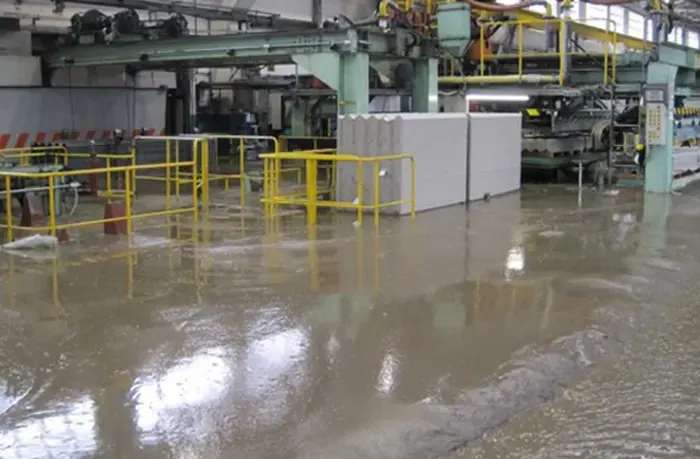
Commercial water damage in Warren
Warren is one of the most industrial cities in Michigan, home to the GM Technical Center, the Detroit Arsenal and Warren Truck Assembly, with suppliers, machine shops and warehouses along Mound, Van Dyke and Groesbeck and the 696 corridor. Add office parks, medical offices, strip centers along the mile roads and apartment complexes, and commercial water losses come from many directions:
- Fire sprinkler lines that freeze or get struck
- Roof drains and flat roofs that back up in heavy rain
- Supply risers and water heaters in multifamily buildings
- Storm water entering loading docks and low floors
Keeping the business running
A commercial dry-out is planned around operations. The response team splits the building into drying zones, extracts and removes wet materials in the zones that matter most first, and runs air movers and large dehumidifiers overnight and on weekends where possible. In multifamily buildings, the restoration team works unit by unit and keeps the property manager informed so tenants know what to expect.
Sewage, storm water and roof drain water are Category 3 and need containment and HEPA air scrubbers; clean sprinkler or supply water can often be dried in place if the work starts quickly. The Ready.gov flood page covers workplace flood safety basics.
For a commercial claim, the file matters as much as the drying: moisture maps, daily logs, photos and a line-item scope in the format adjusters expect.
Documentation for owners and insurers
Every commercial job gets the same records a residential job does, at a larger scale: a moisture map from day one, daily psychrometric logs by zone, timestamped photos taken before any demolition, and the category and class of the loss. Business interruption coverage and building coverage depend on the policy, so it is worth checking with your own insurer. For the drying process in detail, see structural drying; for storm water at a loading dock, see storm flood cleanup. The National Weather Service Detroit office posts the flood and freeze warnings that most often trigger commercial losses.